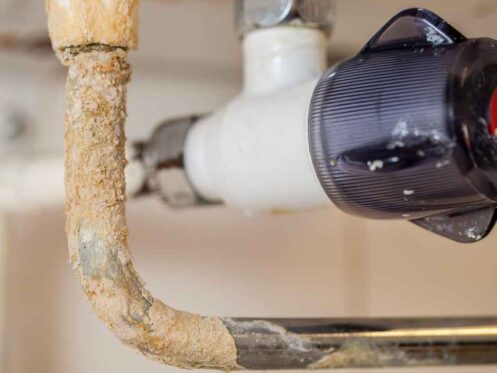
Denver homes often deal with hard water, which means it contains minerals that can build up in plumbing fixtures, water heaters, dishwashers, washing machines, and other appliances. Over time, that mineral scale can reduce efficiency, shorten appliance lifespan, cause clogs, lower water pressure, and lead to more frequent repairs.
Hard water is easy to ignore because it usually does not look dangerous. Your water may still seem clear, taste normal, and run from the tap as it should. But inside your plumbing system and appliances, minerals can slowly collect, harden, and create expensive problems.
In this guide, we will explain how hard water affects Denver homes, why it can make appliances fail faster, and when to call Jim Needham Heating Cooling Plumbing & Drain for help protecting your plumbing and equipment.
What Is Hard Water?
Hard water is water that contains higher levels of dissolved minerals, especially calcium and magnesium. These minerals are picked up as water moves through rock, soil, and underground formations before reaching your home.
Hard water is common in many parts of Colorado, including the Denver area. The issue is not usually whether the water is safe to use. The bigger concern for homeowners is what those minerals do over time.
When hard water is heated, sprayed, dried, or left to sit in pipes and appliances, minerals can form scale. This scale can stick to metal, glass, plastic, heating elements, valves, and internal appliance parts.
Common signs of hard water include:
- White spots on dishes and glassware
- Chalky buildup around faucets
- Crusty deposits on showerheads
- Soap that does not lather well
- Dry skin or dull hair after bathing
- Stiff or scratchy laundry
- Reduced water pressure
- Water heater noise
- Frequent appliance repairs
- Shorter appliance lifespan
A few spots on a faucet may not seem serious, but the same process can be happening inside your water heater, dishwasher, washing machine, and plumbing lines.
Why Hard Water Is Tough on Denver Appliances
Appliances that use water are designed to move, heat, spray, drain, and cycle water efficiently. Hard water makes those jobs harder. Mineral scale can interfere with heating elements, clog small openings, coat internal parts, and force appliances to work longer than they should.
Hard water can affect:
- Water heaters
- Tankless water heaters
- Dishwashers
- Washing machines
- Ice makers
- Refrigerators with water dispensers
- Coffee makers
- Humidifiers
- Boilers
- Plumbing fixtures
- Faucets and showerheads
The damage is usually gradual. An appliance may still work but use more energy, take longer to run, produce weaker results, or break down earlier than expected.
How Hard Water Damages Water Heaters
Your water heater is one of the biggest victims of hard water. When hard water is heated, minerals separate more easily and settle at the bottom of the tank. Over time, this creates sediment and scale.
Inside a tank water heater, mineral buildup can cause:
- Popping or rumbling noises
- Longer heating times
- Less available hot water
- Higher energy use
- Extra strain on the tank
- Premature failure
- Rust and corrosion concerns
- More frequent repairs
The sediment layer acts like a barrier between the burner or heating element and the water. The system has to work harder to heat through that buildup. That extra strain can shorten the water heater’s lifespan.
Tankless water heaters can also be affected by hard water. Scale can collect inside the heat exchanger and reduce flow. If the unit is not flushed regularly, performance may drop and repair needs may increase.
Watch for these water heater warning signs:
- Hot water runs out faster than it used to
- The tank makes popping or cracking sounds
- Water temperature fluctuates
- Energy bills are rising
- Hot water pressure seems weaker
- The unit needs frequent service
- The system is older and has not been flushed
If your water heater is failing faster than expected, hard water may be part of the reason.
How Hard Water Affects Dishwashers
A dishwasher depends on strong water flow, spray arms, heat, detergent, and clean draining. Hard water can interfere with all of those functions.
Hard water can cause:
- Cloudy glasses
- White film on dishes
- Mineral buildup around spray arms
- Clogged small openings
- Poor detergent performance
- Longer or less effective wash cycles
- Spots on silverware
- Residue inside the dishwasher
- Shortened appliance life
When spray arms clog with mineral deposits, water cannot evenly reach the dishes. When scale coats internal parts, the dishwasher has to work harder to deliver weaker results. You may end up rewashing dishes, using more detergent, or replacing the appliance sooner than planned.
How Hard Water Wears Out Washing Machines
Hard water can also create laundry problems. Minerals can reduce the detergent’s effectiveness, which means clothes may not rinse cleanly. Over time, buildup can collect inside hoses, valves, and the washer drum.
Signs hard water is affecting your washing machine include:
- Clothes feel stiff or rough
- Laundry looks dull after washing
- White residue appears on dark fabrics
- Detergent does not dissolve well
- Washer smells musty
- Hoses or valves clog
- Cycles take longer
- Repairs become more frequent
Because hard water makes detergent less effective, homeowners may add more soap. That can create even more residue inside the machine. The result is a cycle of buildup, poor cleaning, and additional strain on the washer.
How Hard Water Reduces Plumbing Performance
Hard water is not limited to appliances. It can also build up inside pipes, fixtures, valves, and drains. In severe cases, scale can narrow openings and reduce water flow.
Hard water may cause plumbing issues such as:
- Lower water pressure
- Clogged aerators
- Showerheads spraying unevenly
- Faucet buildup
- Sticking valves
- Toilet fill valve problems
- Shorter fixture lifespan
- Increased strain on plumbing equipment
You may first notice the effects at faucets and showerheads, where mineral buildup is visible. But hidden buildup inside plumbing components can also create performance problems.
Why Appliance Repairs May Keep Coming Back
Hard water can make repairs feel frustrating because it often causes repeat problems. A technician may replace a clogged valve, clean a fixture, or repair a water heater issue, but if the mineral buildup continues, the same symptoms may return.
Hard water may be contributing to repeat repairs if:
- Multiple appliances are having water-related issues
- Fixtures keep collecting white buildup
- Your water heater needs frequent attention
- Dishwashers and washing machines are underperforming
- Water pressure is slowly getting worse
- New fixtures develop scale quickly
- Repairs solve the problem only temporarily
This is why it is important to look at the whole plumbing system, not just one appliance. If several water-using systems are struggling, the water quality may be the common factor.
What Denver Homeowners Can Do About Hard Water
The best solution depends on the severity of the hard water, the age of your plumbing, and which appliances are being affected. A professional plumber can help determine whether maintenance, repair, filtration, or water treatment is the right next step.
Helpful steps may include:
- Testing your home’s water hardness
- Flushing the water heater regularly
- Descaling a tankless water heater
- Cleaning faucet aerators and showerheads
- Replacing clogged valves or supply lines
- Checking water pressure
- Inspecting appliance connections
- Installing a whole-home water softener
- Adding water filtration where needed
- Creating a maintenance plan for water-using appliances
A water softener can help reduce the minerals that cause scale. For many homeowners, this can improve appliance performance, reduce buildup, and help protect plumbing equipment. However, the right solution should match the home’s water conditions and plumbing setup.
When a Water Softener May Be Worth It
A water softener may be a smart investment when hard water is causing ongoing problems. It is especially worth considering if you have already replaced appliances earlier than expected or if buildup returns quickly after cleaning.
A water softener may help if you notice:
- Frequent white scale on faucets
- Cloudy dishes after washing
- Dry skin or hair after showers
- Water heater sediment problems
- Repeated dishwasher issues
- Stiff laundry
- Poor soap lather
- Plumbing fixtures wearing out quickly
- Appliance repairs tied to mineral buildup
Softening the water can help reduce new scale formation. It will not undo every existing issue inside old pipes or damaged appliances, but it can help protect the systems moving forward.
How Jim Needham Can Help Protect Your Plumbing and Appliances
Hard water problems often overlap with plumbing, drains, water heaters, and appliance connections. Jim Needham Heating Cooling Plumbing & Drain can help homeowners identify the source of the problem and choose practical solutions.
A professional visit may include:
- Water hardness evaluation
- Water heater inspection
- Tank or tankless flushing recommendations
- Fixture and valve checks
- Plumbing system inspection
- Water pressure testing
- Drain and supply line troubleshooting
- Water treatment recommendations
- Repair or replacement guidance
The goal is not just to fix one symptom. The goal is to help your plumbing system and appliances work better for longer.
Tips to Reduce Hard Water Damage
Even before installing a water treatment system, homeowners can take steps to limit the impact of hard water.
Simple habits include:
- Wipe faucets and shower doors dry after use
- Clean showerheads before buildup blocks spray holes
- Use dishwasher rinse aid when appropriate
- Follow appliance maintenance instructions
- Flush the water heater on a recommended schedule
- Schedule tankless water heater descaling
- Repair leaks quickly
- Avoid ignoring changes in water pressure
- Call for service when multiple appliances show symptoms
Hard water damage builds slowly, so prevention matters. The earlier you respond to scale, sediment, and performance problems, the easier it is to protect your home.
Call Jim Needham for Hard Water Problems
Call Jim Needham Heating Cooling Plumbing & Drain if your Denver home has white scale buildup, cloudy dishes, stiff laundry, low water pressure, noisy water heaters, recurring appliance repairs, or hot water problems. These symptoms can indicate hard water damage in your plumbing system and water-using appliances.
Hard water may seem like a small inconvenience, but it can shorten appliance life and raise repair costs over time. For water heater service, plumbing inspections, drain support, and water treatment guidance in the Denver area, contact Jim Needham Heating Cooling Plumbing & Drain today. Their team can help you understand your water quality, protect your appliances, and keep your home running smoothly.